
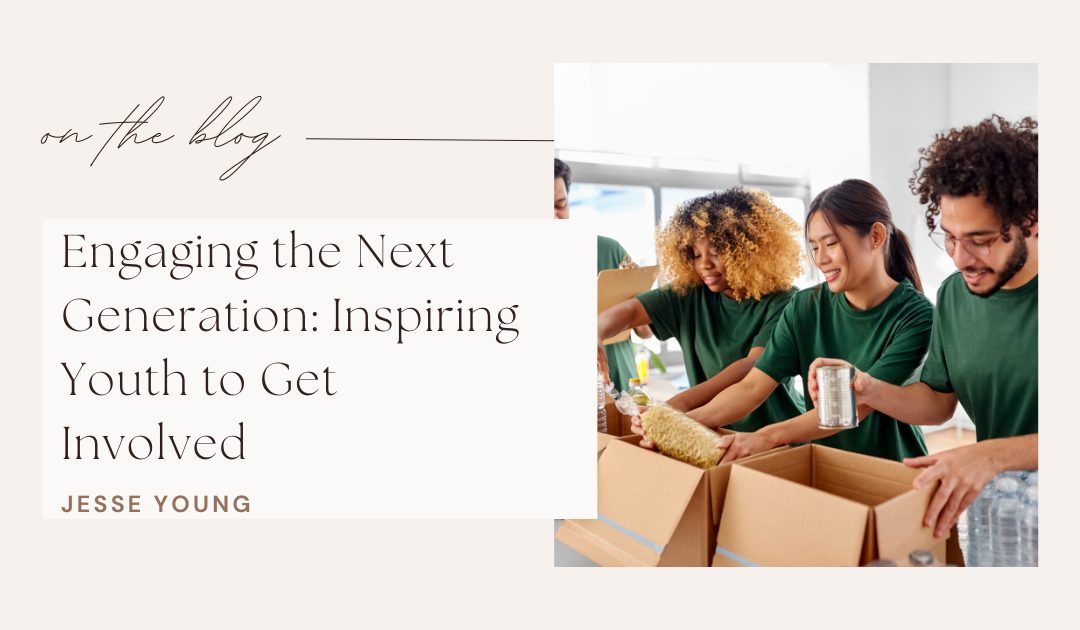
Empowering young people to take an active role in their communities is essential for building a more compassionate and engaged society. The next generation holds immense potential to drive change, and inspiring them to participate in social causes early on fosters a lifelong commitment to making a difference. Encouraging youth involvement requires creativity, mentorship, and opportunities that align with their interests and strengths.
One of the most effective ways to engage young people is by leading by example. When parents, teachers, and community leaders actively participate in volunteer work, youth are more likely to follow suit. Sharing personal stories about giving back and demonstrating the impact of community involvement can make social responsibility feel both accessible and rewarding. Young people who see the positive effects of service firsthand are more inclined to contribute their time and energy.
Making volunteering fun and social encourages participation. Many young people are drawn to activities that allow them to interact with peers, develop new skills, and have enjoyable experiences. Organizing group projects such as beach cleanups, food drives, or charity sports events turns volunteering into an engaging social experience. Schools and youth organizations can integrate service projects into extracurricular activities, making it easier for students to get involved while bonding with friends.
Providing leadership opportunities empowers youth to take ownership of their community engagement. Instead of assigning tasks, allowing young people to plan and lead initiatives fosters a sense of responsibility and pride in their contributions. Programs such as student-led clubs, youth advisory boards, and mentorship initiatives enable them to develop problem-solving and leadership skills while making a meaningful impact. When young people feel their voices matter, they are more likely to stay engaged.
Connecting service to their passions increases motivation. Not every young person will be drawn to the same causes, so offering diverse opportunities allows them to find projects that resonate with their interests. A teenager passionate about animals may be inspired to volunteer at a shelter, while a student interested in technology might create an online campaign to raise awareness for a social issue. Customizing volunteer experiences helps ensure long-term engagement.
Utilizing technology and social media effectively engages the digital-native generation. Many young people use social platforms as a way to express themselves and share what they care about. Encouraging them to create content about their volunteer experiences, promote awareness campaigns, or use crowdfunding platforms to support causes can turn social media into a tool for social change. Online activism, petitions, and virtual volunteer opportunities provide additional ways to contribute beyond traditional in-person volunteering.
Recognizing and celebrating contributions reinforces the value of service. Public recognition, awards, or even small gestures like thank-you notes show young volunteers that their efforts are appreciated. Schools, organizations, and communities can establish service awards or highlight youth contributions in newsletters and social media. Acknowledging their impact boosts confidence and encourages continued involvement.
Providing mentorship and guidance helps young people navigate their journey in social activism. Many may want to help but are unsure where to start. Offering support through workshops, mentorship programs, and partnerships with nonprofits helps them develop the knowledge and skills needed to contribute effectively. Experienced mentors can provide valuable insights and help youth channel their enthusiasm into impactful action.
Inspiring the next generation to get involved is about creating a culture of service that is accessible, enjoyable, and rewarding. When young people are given opportunities to lead, connect their passions to causes, and see tangible results from their efforts, they are more likely to carry a spirit of giving throughout their lives. By fostering a sense of purpose and community engagement early on, we can build a future generation of compassionate, active changemakers.